
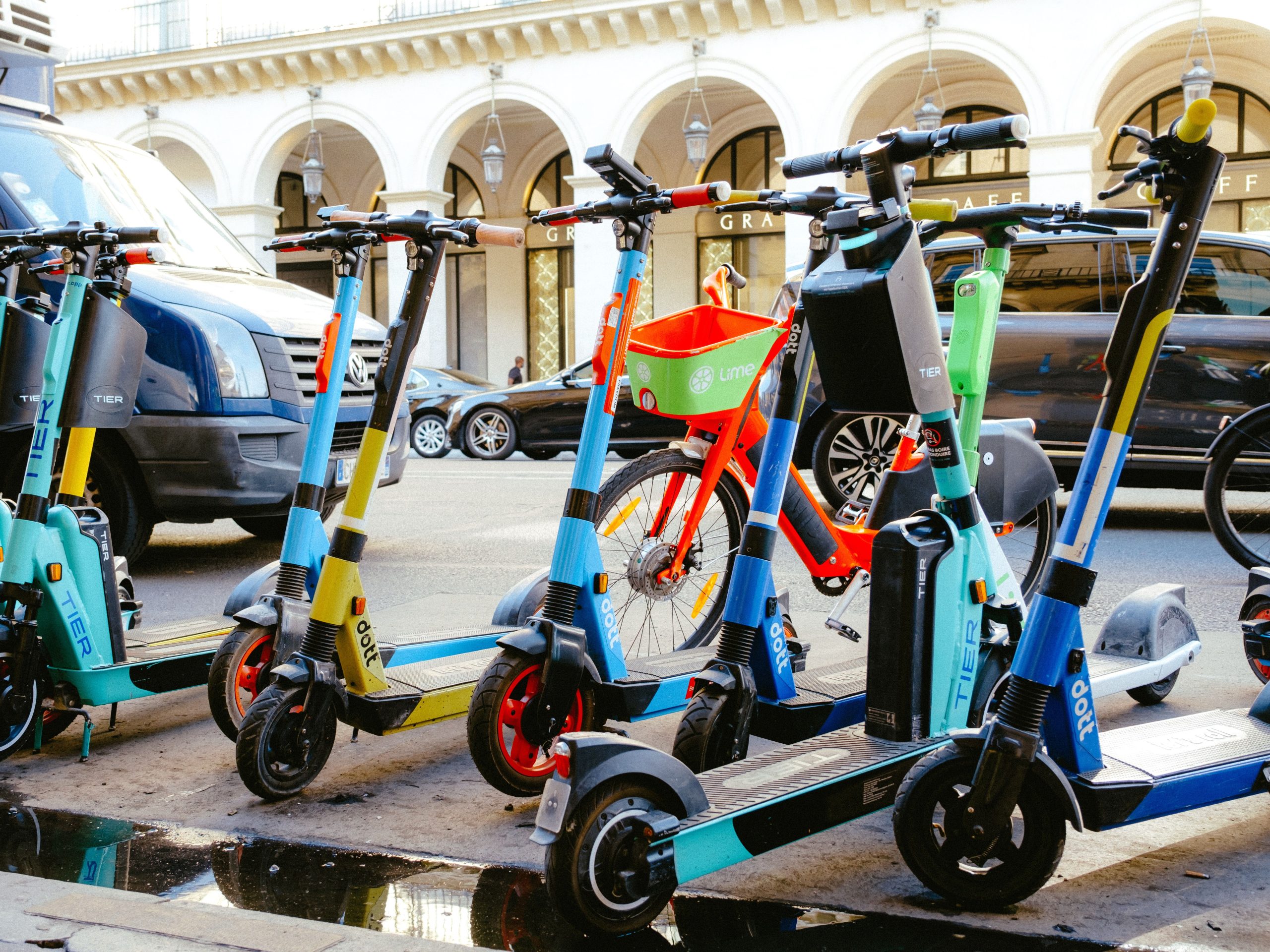
Buying a used scooter can save money, but it also means taking on risks that a brand-new purchase usually avoids. Wear and tear, hidden faults, and unclear ownership history can turn a bargain into an expensive problem. Knowing which consumer rights apply to your purchase, and which they do not cover, puts you in a much stronger position before you hand over any money.
This guide explains how consumer protection generally works for second-hand scooters, where the rules differ between a business seller and a private individual, and what to do if things go wrong. Rules vary by country and by state, so treat this as general information and check your local consumer authority for the details that apply to you.
Table of Contents
- Why Used Scooters Need Extra Care
- Business Seller or Private Seller: Why It Matters
- Your Core Rights When Buying From a Business
- Inspecting the Scooter Before You Pay
- Paperwork, Contracts, and Proof of Purchase
- What to Do If Something Goes Wrong
- Before You Hand Over the Money
Why Used Scooters Need Extra Care
A used scooter has already been through an unknown number of kilometres, weather conditions, and owners. Battery capacity, brake pads, tyres, and the motor controller can all have lost performance in ways that are not obvious at a glance. Consumer protection rules account for this: a second-hand item is not expected to be as good as new, but it should still be safe, reasonably durable, and consistent with what you were told.
Two questions shape almost every dispute:
- Who is selling the scooter: a business or a private individual?
- What did the seller say about it, and was it put in writing?
Business Seller or Private Seller: Why It Matters
In many countries, consumer guarantees apply when you buy from a business, including a dealer, a shop, or a trader selling through an online platform. Private sales between two individuals usually come with far fewer protections. New Zealand’s Consumer Protection guidance on private sales explains that buyers generally have limited legal rights in a private transaction, with exceptions where the seller misled them, had no right to sell the item, or the item is seriously faulty or unsafe.
Telling the two apart is not always straightforward. Signs that a seller may be trading as a business include:
- A business name, company name, or business registration number on the listing
- Many similar scooters offered for sale at the same time
- A long history of trading through the same account or storefront
If you are unsure, ask directly and keep the answer in writing. Your rights depend on the facts, so the seller’s status is worth confirming before you pay.

Your Core Rights When Buying From a Business
When a business sells you a used scooter, consumer law in many places expects the product to meet a few basic standards:
- Be of acceptable quality for its age, price, and condition
- Match the description, photos, and any samples or demonstrations shown
- Be fit for the purpose you told the seller about
- Come with clear ownership, meaning the seller has the right to sell it
The wording differs across jurisdictions, but the same ideas recur. Because the standard is “acceptable for the price paid,” a cheap scooter with visible wear is not automatically a faulty one. A scooter advertised with a new battery that arrives with a dead one is a different matter entirely.
Inspecting the Scooter Before You Pay
Your rights are far easier to enforce when you have evidence of the scooter’s condition at the time of sale. Before paying, try to:
- Test the throttle, brakes, lights, and horn in person
- Check the battery’s charge level and ask how many charge cycles it has had, if known
- Inspect the frame and folding joints for cracks, rust, or signs of repair
- Match the serial number against the paperwork and check for any recall notices
- Take a short test ride if the seller allows it
For a higher-value scooter, an independent technician who works on electric mobility devices can check the battery and controller. Government guidance on second-hand goods also recommends checking whether a product has been recalled and confirming that no modifications have been made to extend its lifespan or change its performance. Modified electrical devices can carry safety risks that are not visible from the outside, which is why the GOV.UK guidance on buying second-hand goods is worth reading before you buy.
Paperwork, Contracts, and Proof of Purchase
Written records are the foundation of any later claim. Keep:
- The listing, along with screenshots of descriptions and photos
- Messages confirming condition, mileage, battery health, or included accessories
- A signed receipt or purchase agreement that shows the seller’s name, address, and contact details
- Any transfer, registration, or title documents
Verbal promises are difficult to prove. If the seller says the battery is “good for a full commute” or the scooter is “fully serviced,” ask for that statement in writing. Read the agreement for phrases such as “sold as is,” which shift more of the risk onto you. A clause like this does not always cancel rights that a business is legally required to provide, but it can make a dispute harder to win.

What to Do If Something Goes Wrong
Start with the seller. Send a short written message that describes the problem, what you were told, and what you want (a repair, a replacement, a refund, or compensation). Keep the tone factual, set a reasonable deadline, and give the seller a fair chance to respond before escalating.
If the seller refuses to resolve the matter, the next steps usually include:
- Contacting the consumer protection agency or trading standards office in your area
- Using the payment provider’s dispute process, such as a card chargeback
- Filing a claim in a small claims or tribunal court
- Seeking independent legal advice for larger amounts
Larger disputes can be expensive, and some people look into legal funding coverage to pay for a claim. Be cautious with any such arrangement. Funding terms can be complex, and a recent case in which a law firm was sued by its own funder is a reminder that these agreements can become contentious. Read the terms closely and compare them before you sign anything.

Before You Hand Over the Money
A used scooter can be a sensible purchase when you buy with your eyes open. The rights you have are only as strong as the evidence behind them, so treat every message, photo, and signature as part of a claim you may one day need to make. If a seller hesitates to put a promise in writing, that hesitation is itself useful information.