
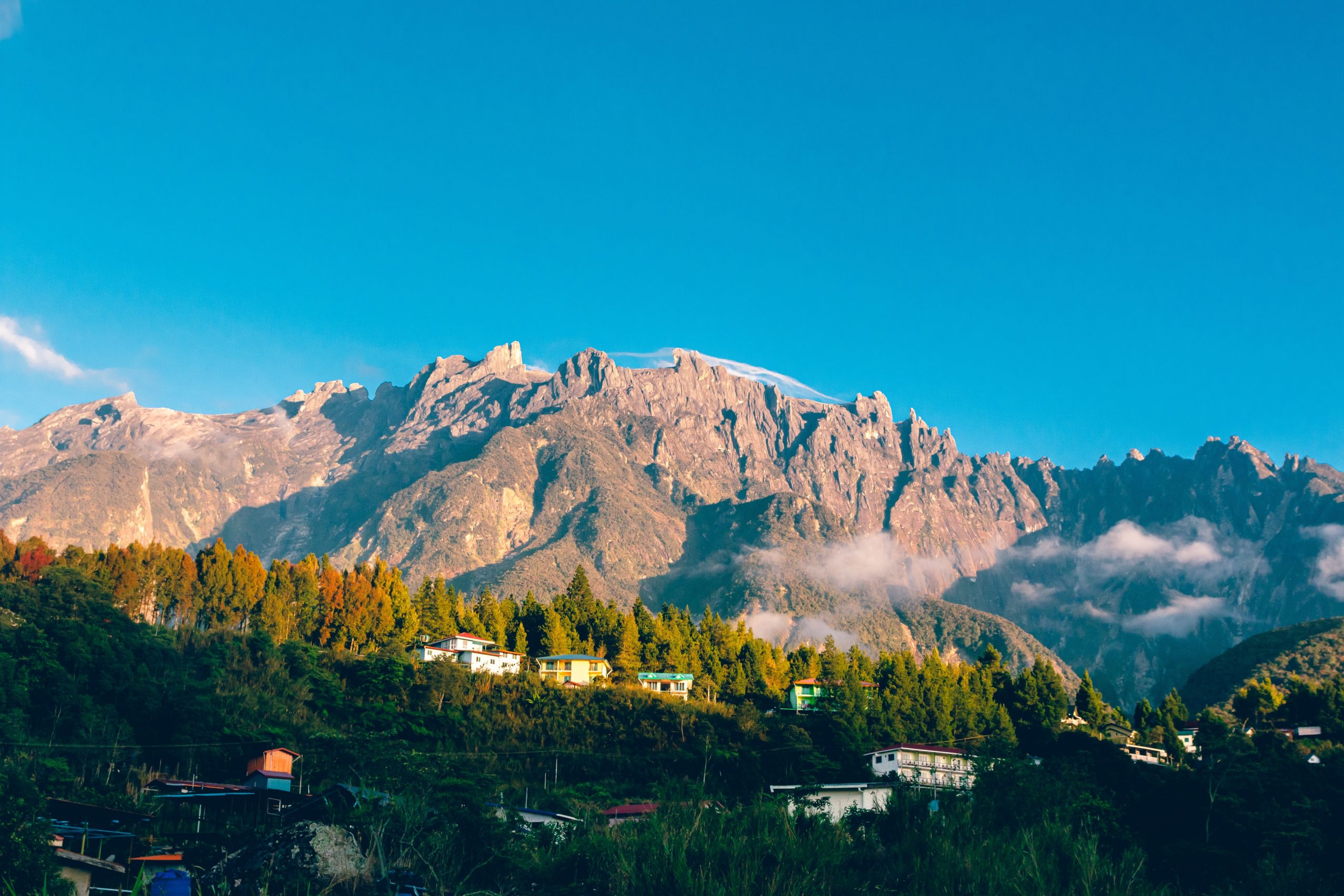
Sabah occupies the northern part of Borneo, facing the South China Sea to the west and the Sulu and Celebes seas to the north and east. That position places the Malaysian state close to Brunei, Indonesia and the southern Philippines, while also connecting it to important sea routes linking East Asia with the wider Indo-Pacific.
Its importance is not based on one resource or one industry. Sabah is significant because several forms of regional value overlap: maritime access, agricultural production, tourism, biodiversity, energy and cultural connections across Borneo. In practical terms, it is both a frontier of Malaysia and a meeting point within Southeast Asia.
A geographic position with regional reach
Sabah’s coastline and island geography give it access to more than one maritime environment. The west coast opens toward the South China Sea, while the eastern side looks toward the Sulu and Celebes seas. These waters connect Sabah with shipping, fishing, tourism and cross-border communities in the surrounding region.
This location also explains why Sabah is part of the Brunei Darussalam–Indonesia–Malaysia–Philippines East ASEAN Growth Area, commonly known as BIMP-EAGA. The initiative is designed to encourage cooperation among less-central regions of those four countries through trade, transport, tourism and investment. Sabah’s position makes it a natural participant in discussions about connectivity between eastern Malaysia, Kalimantan, Brunei and the southern Philippines.
Geography does not automatically create a regional hub. Ports, roads, reliable utilities, customs systems and air links determine whether a location can convert proximity into trade. Even so, Sabah begins with an advantage that cannot be built elsewhere: it sits near several national markets and sea corridors at the same time.
The economy is broader than a single commodity
Sabah’s economy includes services, agriculture, mining and quarrying, manufacturing, construction and fisheries. The Department of Statistics Malaysia reported that Sabah’s gross domestic product reached RM84.3 billion in 2024, with the economy growing by 1.1 per cent. The same release shows why the state’s economic story needs to be read sector by sector rather than reduced to oil or palm products.
| Sector or indicator | Sabah in 2024 | What it indicates |
|---|---|---|
| Gross domestic product | RM84.3 billion | The scale of Sabah’s contribution to Malaysia’s economy |
| Services | Grew 4.2% | Importance of trade, accommodation, food services and public services |
| Construction | Grew 18.8% | Continuing investment in physical development |
| Manufacturing | Grew 1.2% | A smaller but developing base for processing and industry |
| Mining and quarrying | Declined 5.0% | The effect of changing production in extractive activities |
| Agriculture | Declined 3.4% | The sensitivity of plantations and fisheries to conditions and markets |
Source: Department of Statistics Malaysia, GDP by State 2024.
Agriculture remains especially important outside the main urban centres. It supports plantations, food production, fisheries and rural employment, while also supplying inputs for processing industries. The opportunity for Sabah is not simply to export raw materials, but to strengthen storage, processing, logistics and other activities that keep more value within the region.
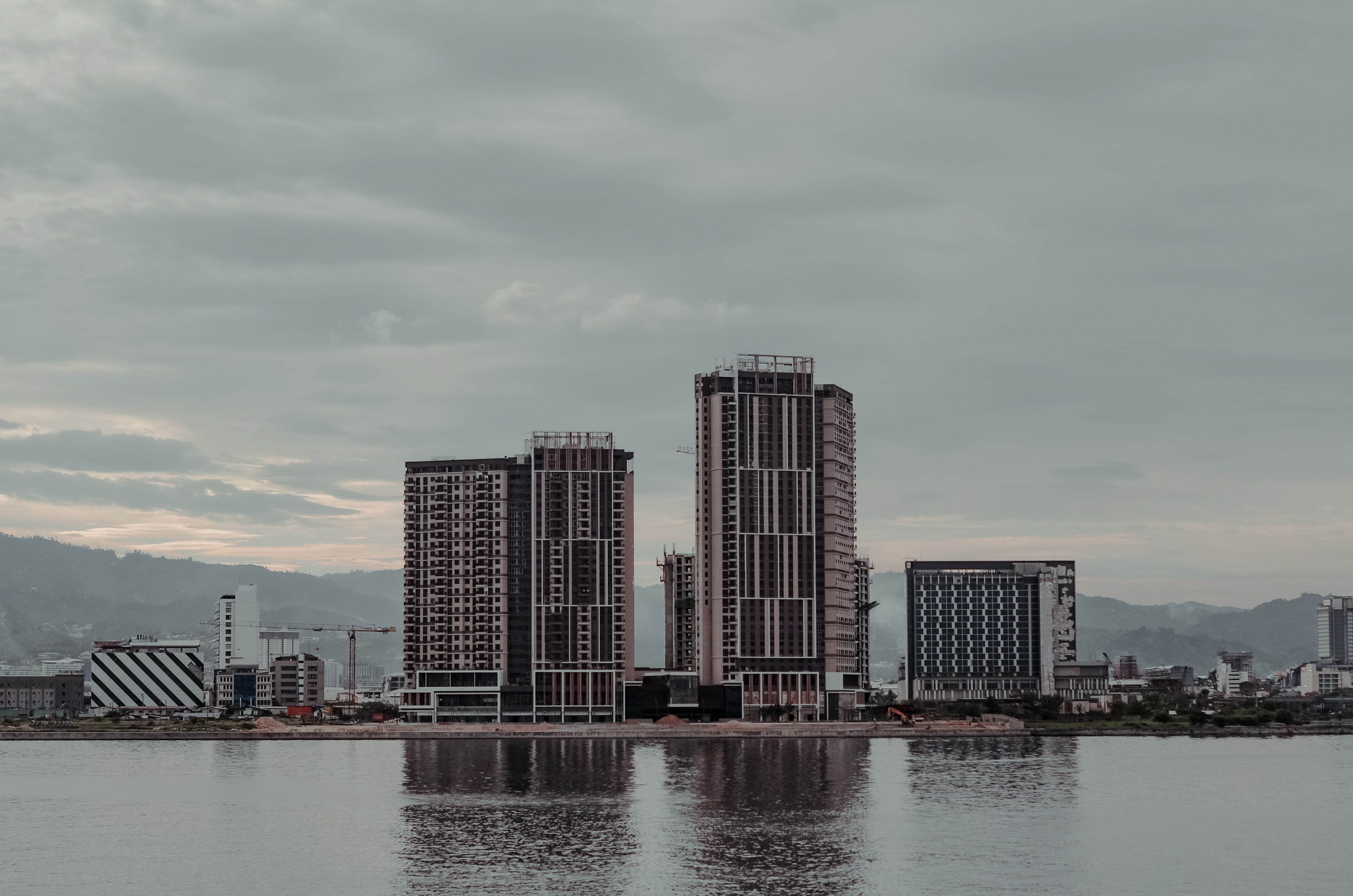
That is also why infrastructure matters so much. Better roads between production areas and ports, dependable electricity and water, and efficient links between Kota Kinabalu and the east coast can affect whether Sabah functions as a collection of separate markets or as a more integrated regional economy.
Its natural environment has international significance
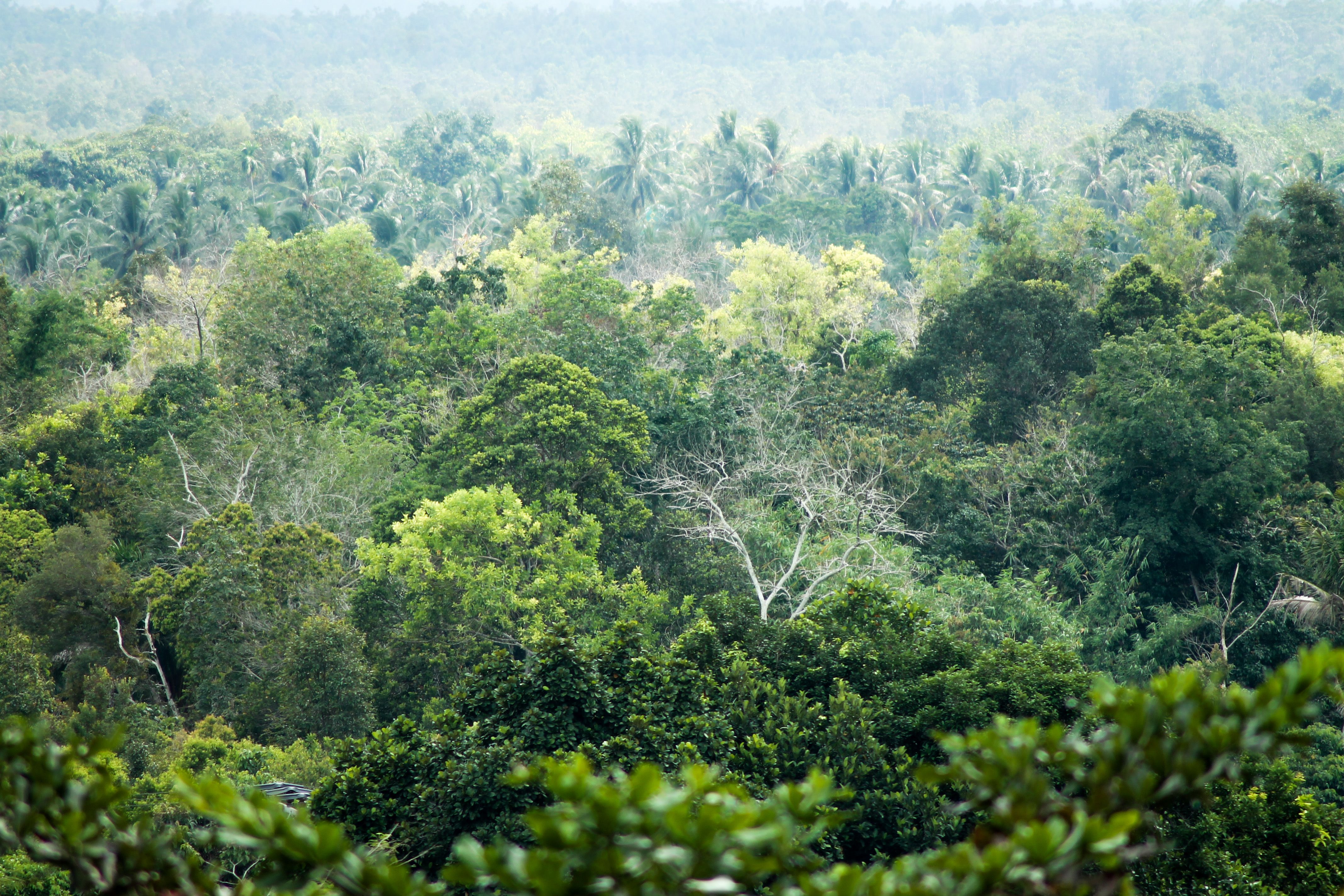
Sabah is one of the most biologically important parts of Southeast Asia. Its landscapes run from lowland rainforest and mangroves to mountain ecosystems and coral-rich coastal waters. This range creates habitats for species associated with Borneo, including orangutans, proboscis monkeys, hornbills and many plants found nowhere else.

Kinabalu Park illustrates the scale of that value. UNESCO describes the World Heritage site as covering 75,370 hectares and ranging from lowland forest to sub-alpine vegetation around Mount Kinabalu, which rises to 4,095 metres. The park contains an estimated 5,000 to 6,000 vascular plant species and is recognised as a Centre of Plant Diversity for Southeast Asia. These figures make Sabah relevant not only as a tourist destination but also as a living reference point for research into evolution, geology and mountain ecology.
The ecological picture extends beyond one protected area. Sabah’s forests, rivers, wetlands, mangroves and marine habitats provide services that are less visible than visitor numbers: they help regulate water, protect shorelines, support fisheries and store carbon. The Sabah Biodiversity Centre’s explanation of the state’s biodiversity framework shows how conservation and sustainable use are addressed through state institutions and legislation.
Tourism turns geography into a cross-border connection
Sabah’s appeal combines several experiences that are rarely found in one destination: a major mountain, tropical forest, wildlife habitats, islands, diving areas and coastal communities. Kota Kinabalu provides an urban gateway, while destinations on the west and east coasts connect visitors with different environments and local economies.
That variety gives tourism a wider role than simply attracting hotel guests. Airlines, ferries, guides, restaurants, conservation centres, small businesses and cultural operators all participate in the visitor economy. International tourism also creates everyday links between Sabah and markets in Northeast Asia, Australia and neighbouring Southeast Asian countries.
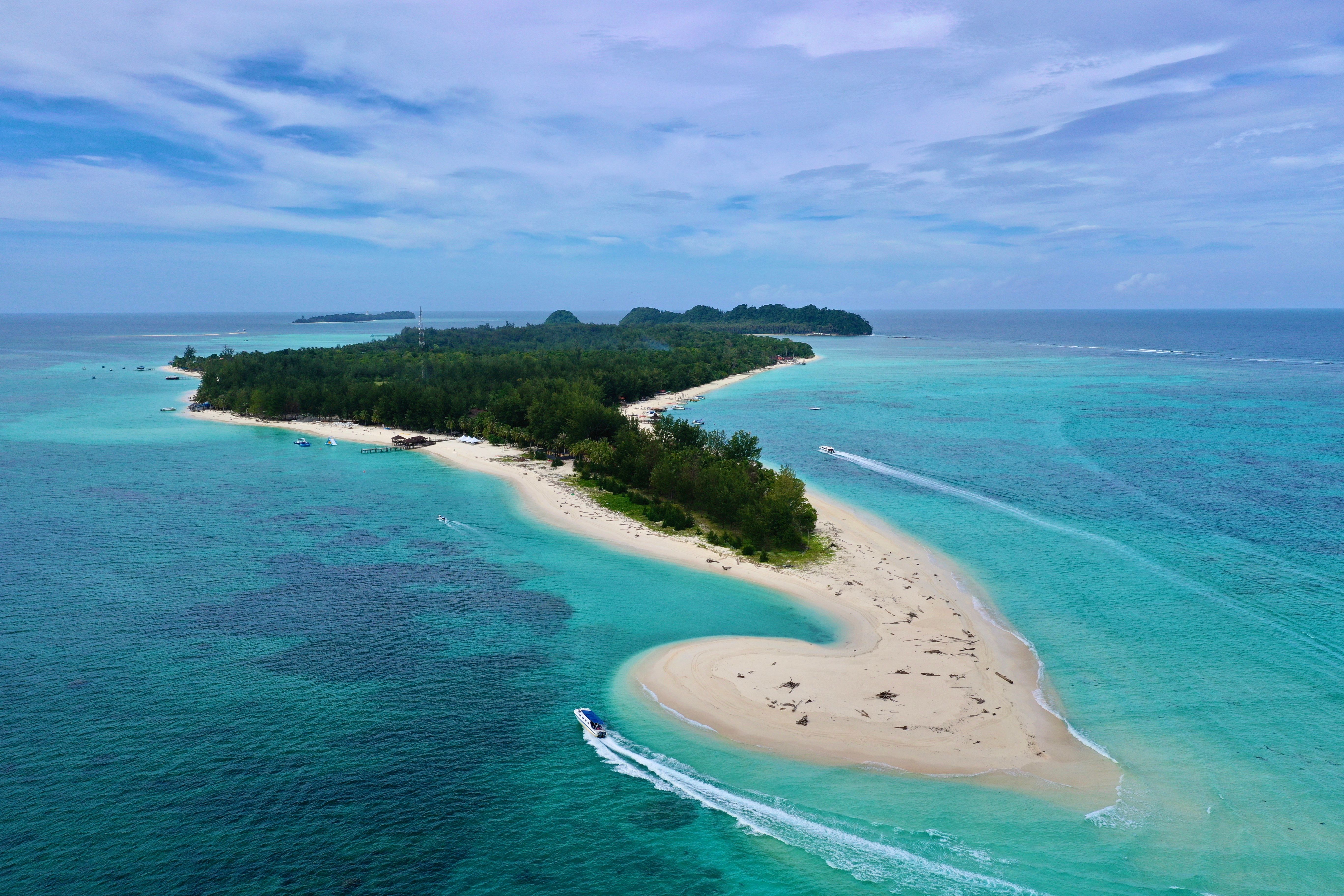
The central challenge is balance. Tourism that depends on intact forests and reefs must also help finance their protection, while visitor growth needs to be matched by waste management, water systems and limits appropriate to sensitive sites. The most durable model is one in which local communities see a clear connection between conservation and livelihoods.
Why Sabah matters to Malaysia and Southeast Asia
Sabah’s importance can be understood as a combination of four roles:
- A maritime gateway: its coastlines face multiple seas and connect Malaysia with neighbouring countries.
- An economic platform: agriculture, services, construction, manufacturing, fisheries and energy give the state several channels of regional relevance.
- A biodiversity stronghold: its forests, mountains and seas contain ecosystems of global scientific and conservation value.
- A Borneo connector: its location supports cooperation involving Malaysia, Brunei, Indonesia and the Philippines.
These roles reinforce one another. A port is more valuable when it is connected to farms, factories and cities. Tourism is more resilient when forests and marine areas remain healthy. Conservation gains practical support when it is linked to research, employment and carefully managed visitor economies.
For readers following the region more broadly, Southeast Asia coverage can provide additional context on why developments in Sabah attract attention beyond Malaysia itself.
The larger lesson
Sabah is important because it brings together assets that Southeast Asia increasingly needs: strategic connectivity, food and commodity production, ecological resilience, and links between fast-growing markets. Its future influence will depend less on geography alone than on how effectively infrastructure, environmental protection and regional cooperation are developed together.
That makes Sabah more than a scenic corner of Borneo. It is a place where the economic and environmental questions facing Southeast Asia become visible in the same landscape, from a busy waterfront to a protected mountain forest and the islands in between.